What do we mean by pattern? Can young children engage in algebraic thinking to understand patterns? How should we help young children to think about and understand patterns?
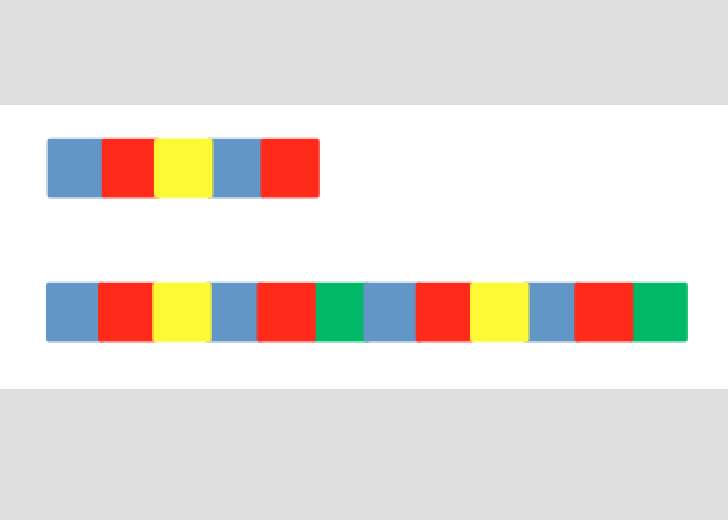
Patterns have long been a part of preschool curricula. But, what is a pattern? How do we go beyond simple ABAB patterns? And how do we keep children engaged? Georgia takes
This article explains the basic math underlying the patterns that children encounter in their everyday lives and in preschool. . One key concept is the generalization of patterns: the ability
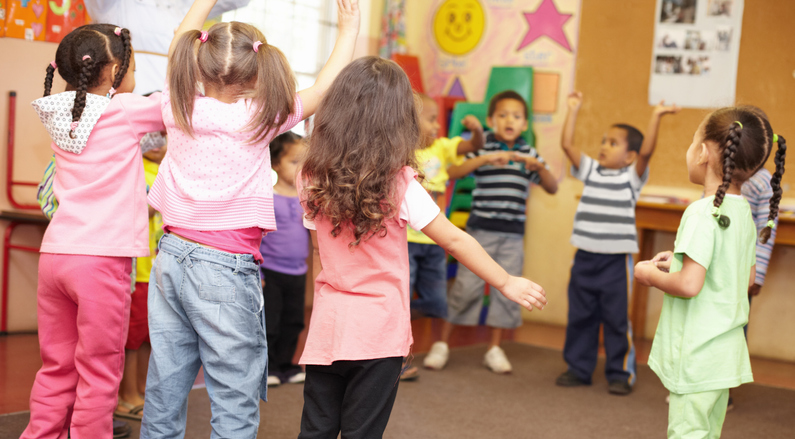
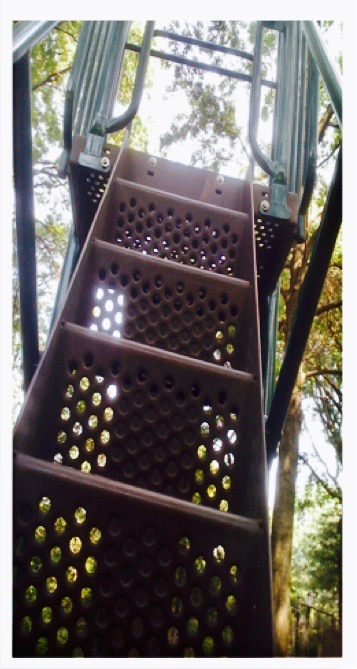
The environment constantly exposes young children to regularities of various types: in music, shirts, dance, shape, and spatial relations. Given these experiences, children ages three through six years old develop
A brief overview of the development of patterns and algebraic thinking in young children. Children are born with the ability to detect patterns and our support in the classroom builds
Considering how a young child would intuitively approach word problems helps us to explore the range of problem types within addition, subtraction, multiplication, and division.