An accessible overview of the mathematics of operations. Patterning, decomposition, place value, and equivalence are all key ideas underlying an understanding of operations.
This story is written not for children, but for prospective and practicing teachers. It takes the child’s point of view about operations and presents the adventure in an amusing manner that will
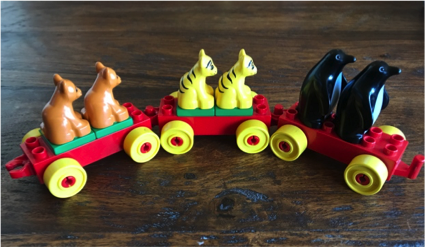
Multiplication and division are often considered to be too mathematically complex for young children. However, we see that young children engage in multiplicative reasoning as they play and that their
Children have intuitive ideas about operating on number from a very early age. This piece helps us begin to think about the ways in which young children encounter operations in
Often in professional development settings it is productive to anchor the content of the day around one activity designed for children. Within the context of the activity, we can engage participants
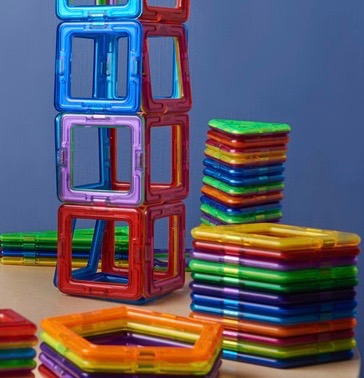
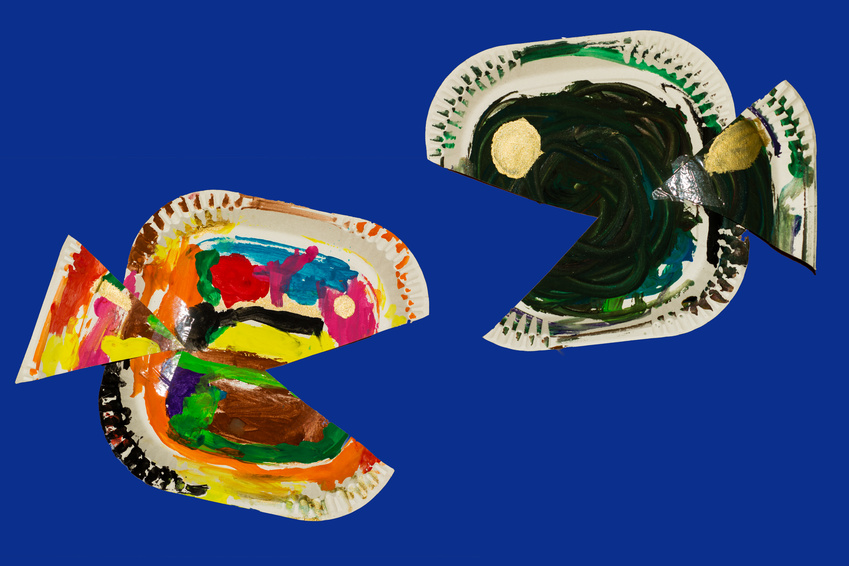
Children often describe characteristics of shapes using their informal out-of-school language. We want to encourage participants to elicit children’s informal knowledge and language around the shapes and move them to being as specific
A short session around spatial relations can support moving beyond thinking about spatial relations as identifying the shapes, expanding their conceptualization of spatial relations and helping them see opportunities to support learning.
These guidelines can provide six or more hours on early mathematics (focus on shapes and spatial relations) in a three-unit semester preschool curriculum course. It can be broken into shorter segments.
The story of a preschool teacher leveraging children’s ideas to engage in geometry. It addresses anxiety teachers experience when working beyond simple shapes, offering a perspective that engages participants and the children they teach.
This fictionalized but very real story of actual teacher experiences tells the story of a team-teaching effort to incorporate meaningful and important concepts in geometry and spatial relations into a project-based