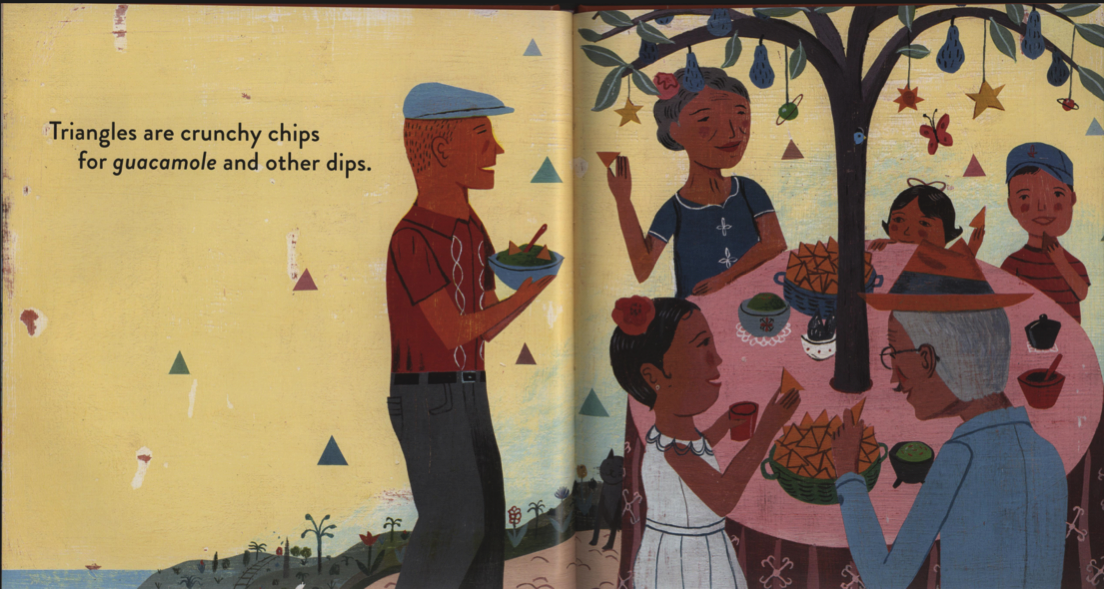
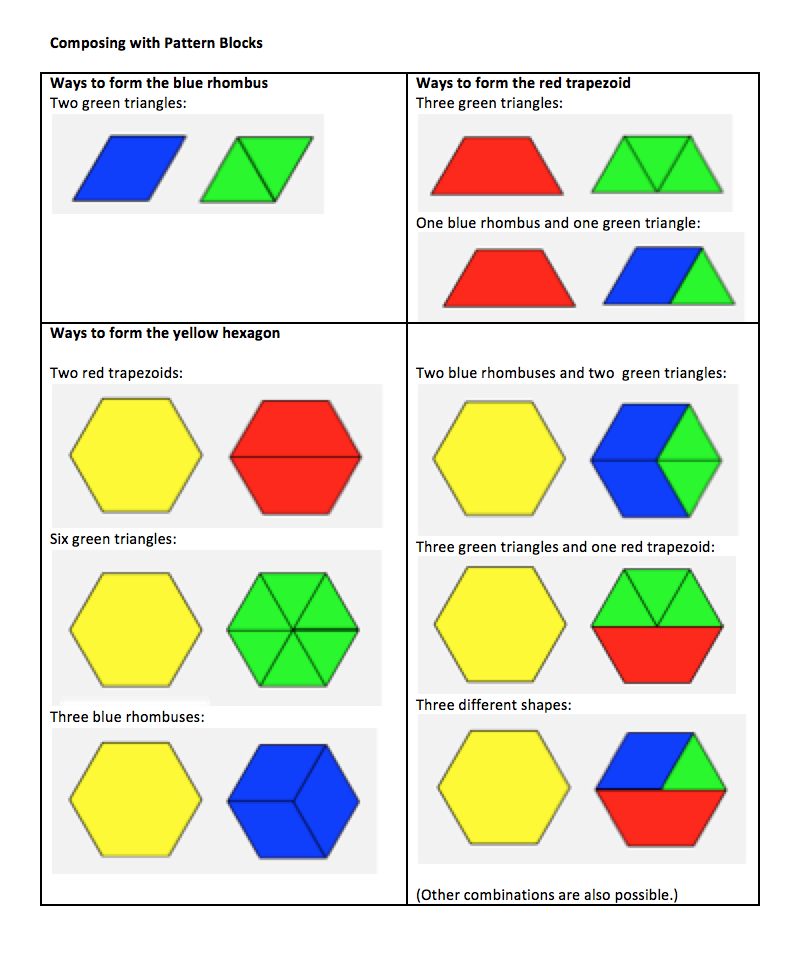
In the activity, children are asked to view a picture (simple drawing, storybook page, complex geometrical shape, etc.), and describe what they notice in the picture. Then they draw what they see. This activity enables
This story is written not for children, but for prospective and practicing teachers. It takes the child’s point of view about shapes and presents the adventure in an amusing manner that will
Supporting Dual Language learners (DLLs) in our classroom is a valuable opportunity to focus on the importance of language, think beyond the math, and provide for mathematical sense making in
To teach well, you need to understand the individual child’s math knowledge. This document provides guidelines for conducting conversations that can reveal a child’s math thinking and guide your teaching.
This article introduces the vital perspective that spatial relations involve both ideas and language to express and understand them. Teachers who engage with dual language learners need to be sensitive
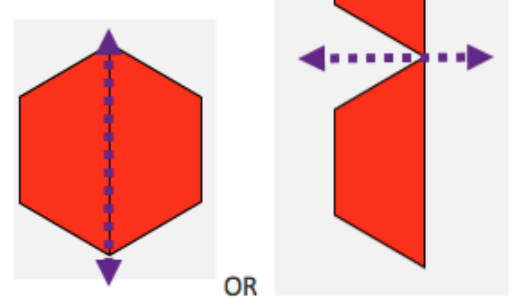
These tasks are designed to help you assess a child’s understanding of spatial topics. The protocol begins with relations like over, near, next to, and the like and progresses to a child’s understanding of symmetry.
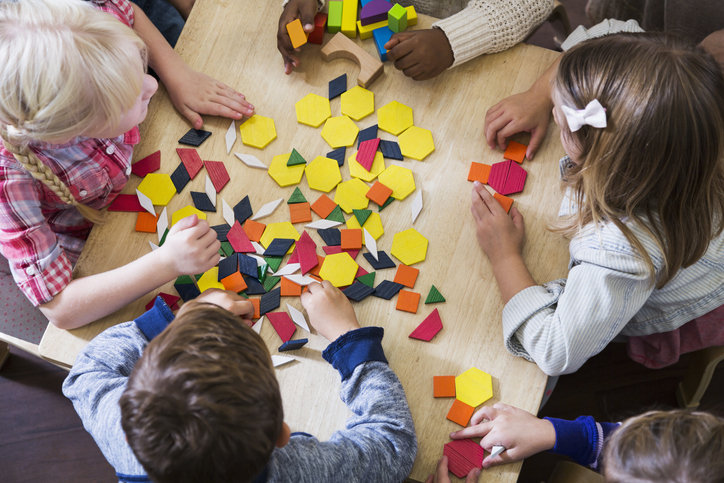
These tasks are designed to help you assess children’s concepts of shape. The protocol begins with relatively simple concepts like attributes of two dimensional shapes and ends with the analysis
Different approaches to learning what children know about shape and space. This article shows how participants can use observation, drawing, etc. to learn about children’s knowledge and language of geometric figures, physical