As a professional developer working with preschool teachers who have had few opportunities to engage in work with others on their teaching of mathematics, I have three main goals: (1)
This is the story of two teachers who learn how to blend their insistence on high quality support for early math learning with an approach that uses children’s natural engagement in
This is a story of participants who think that they are not good at math and are not enthusiastic about teaching it. They learn that early math education is important and
A vignette about Joan and Tessa exploring how teachers learn to help their children explore math, not only through play, but also intentional teaching.by Linda M. Platas
This resource explores connections among executive functioning (EF) and counting and provides tips for early childhood educators to support EF while engaging in counting.
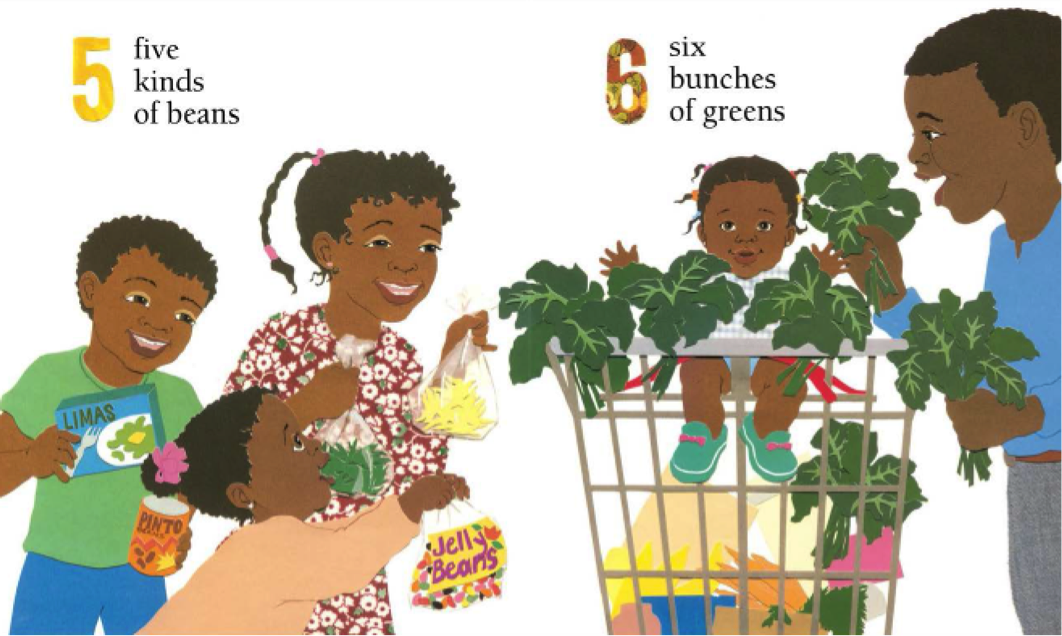
This guide discusses general principles of reading and analyzing storybooks and offers brief descriptions of storybooks that children enjoy and that can be used to teach counting.by Colleen Uscianowski, Colleen Oppenzato, &
Below are a selection of tasks you can use to determine what children know about counting. The prompts are just suggestions; consider how follow up questions requiring explanation inform your understanding of the
This account describes how number develops in the preschool range, from about 3-5 years, and provides a detailed overview of the various skills and understandings that children need in order to achieve competence
Counting in preschool and the early elementary years supports the development of a variety of other mathematical abilities. Patterning, part-whole relationships, place value, composition and decomposition, equivalence, operations, and magnitude