

Professional Development: Two 2-hour Sessions
Often preschool teachers find it challenging to “fit” mathematics into their ongoing interactions with children in a purposeful way. Patterning is a productive domain for working on this because it can be integrated into everyday activities and routines. This use case is intended to get participants started with patterning in ways that make use of children’s intuitive ideas and regular activity. The focus is on noticing and understanding what constitutes a pattern.
Session 1
Noticing patterns in the environment and considering what young children notice
Begin with the What Do You Notice? activity.
- Engage participants in the What Do You Notice? activity. When showing the image that you have chosen, make sure you leave it open for participants to share a range of what they notice without feedback, judgment, or repeating what they stated. The goal is to get all ideas out and everyone offering something to the noticing activity.
- Do not show the video at the end. We will come back to that in the second session. The focus of this first session is on the informal ideas that are noticed.
Following the What Do You Notice? activity.
- Ask participants to read the handout Pattern, Pattern Everywhere. Discuss all of the places at school where students would notice patterns. Note that you have not yet had a conversation about what constitutes a pattern. This is purposeful. You want to get their ideas out and only after that, give them mathematical precision and language.
Further explore everyday patterns.
- Explore the resource Patterns in Everyday Activities. You could do this as a group, showing the website and the associated video in the handout. Or you could have folks read and watch, then discuss in pairs.
Session 2
Deepening understanding of pattern and what we want children to understand
Engage in reading and discussion together.
- Have participants read the handout What Young Children Know and Need to Learn about Patterns and Algebraic Thinking. Ask them to share three big ideas that they gleaned from the article with a partner. Discuss as a group. Assess whether they can define what makes a pattern a pattern.
Use video to support the participants to know what to look for in seeing what children understand about patterns.
- Use examples and the ideas in Assessing Children’s Knowledge of Pattern to ask the participants to determine if in the examples you share involve children noticing regularity, recognizing patterns, identifying patterns, copying patterns, extending patterns, or generalizing patterns. Discuss what questions you would ask to find out.
Resource Type:

Patterns & Algebra
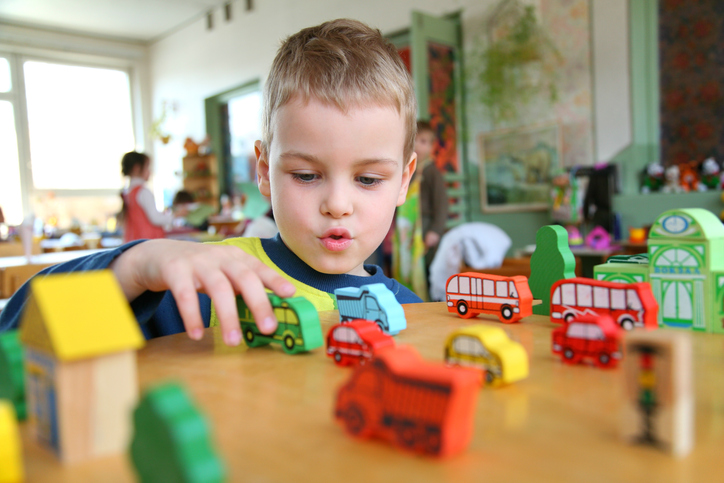
Supporting children to notice and describe what they notice is a productive way for teachers to leverage the ways in…

Patterns & Algebra
“Copying and Detecting Aren’t the Same Thing” Vignette
How Teacher Julia and Teacher Isaac reengaged children in pattern activities, but lost the pattern unit! Getting back on track…

Patterns & Algebra
This story is written not for children, but for prospective and practicing teachers. It takes the child’s point of view about…

Patterns & Algebra
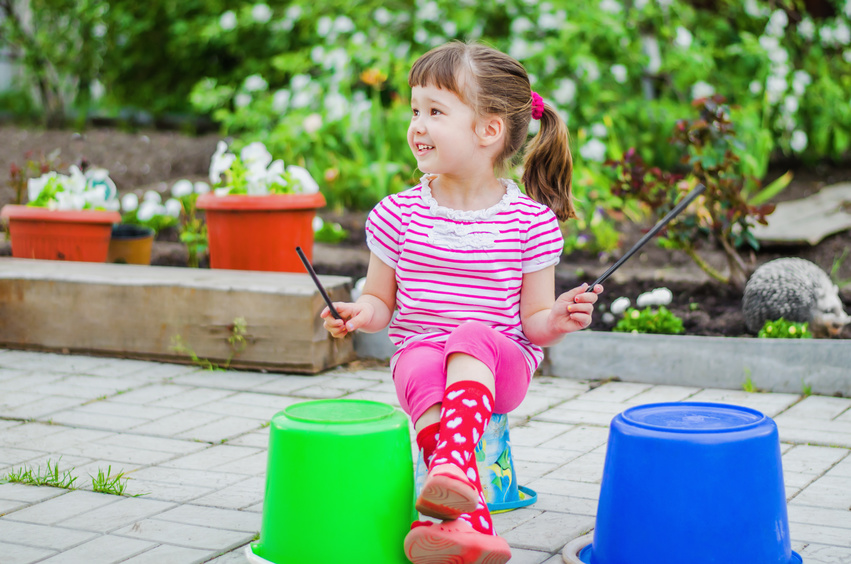
Formative Assessment: Spotting Patterns
A brief account of formative assessment approaches that can help you identify what young children know about patterns.
Patterns & Algebra
The Mathematics of Patterns and Algebra
This article explains the basic math underlying the patterns that children encounter in their everyday lives and in preschool. .…
Patterns & Algebra
Patterns can be notoriously difficult to define. This handout provides illustrations of teacher-child interactions that help take apart (and put…

Patterns & Algebra
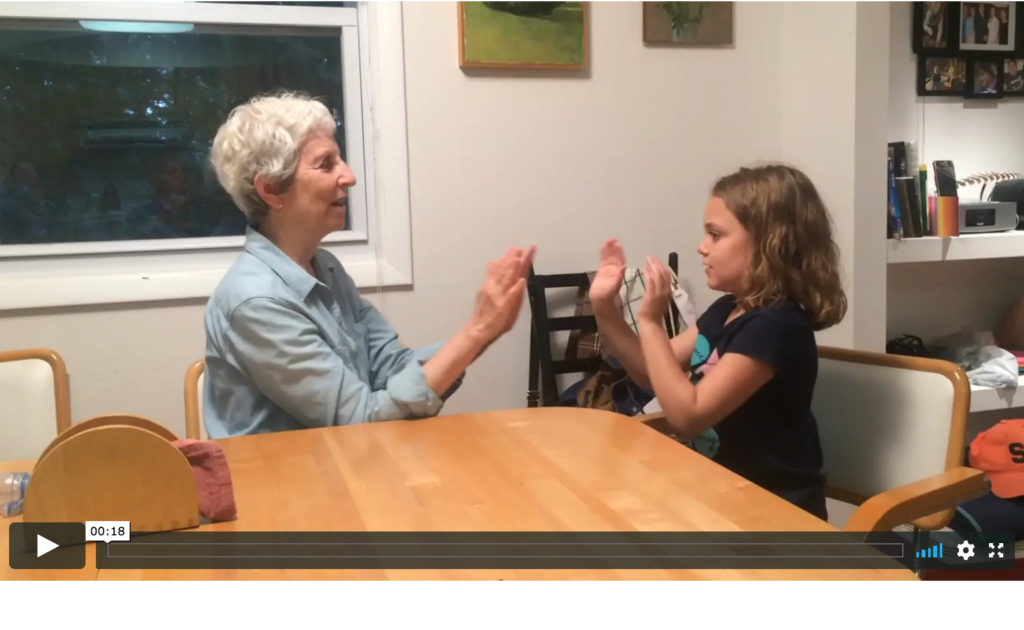
Patterns in Everyday Activities
There are many daily-life activities in which children engage with mathematical patterns. This handout describes some of these activities.