Many of our DREME TE resources can be used to support students’ understanding of the ways in which we are born to pay attention to the math in the world.
Drawing attention to supporting the math learning of dual language learners (DLLs) provides an opportunity for teacher educators to engage participants in exploring in-depth the relationship between language and mathematics
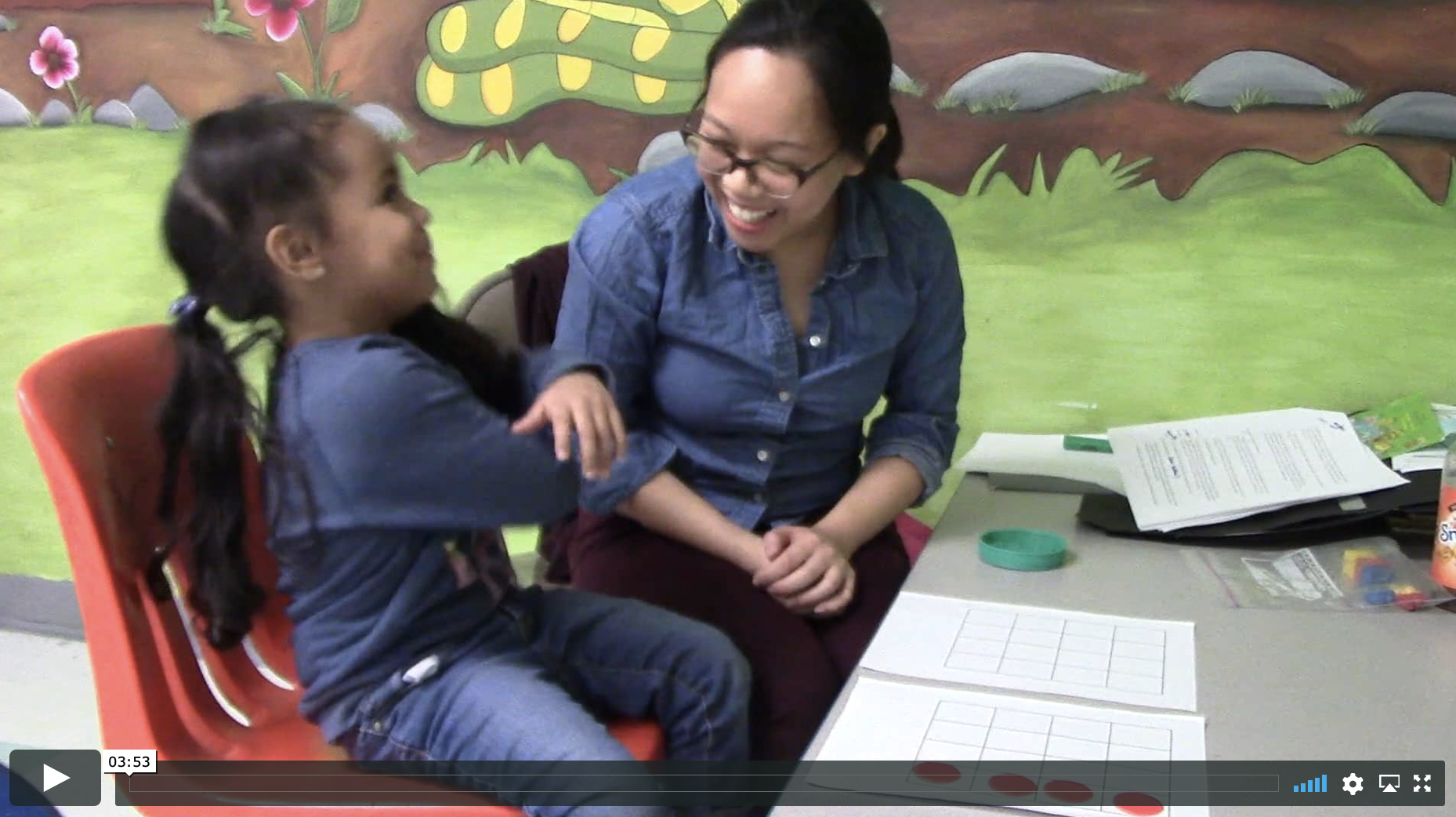
There are several ways in which you can use Thinking Stories about children’s mathematical thinking and/or corresponding unedited videos in your teaching, in a live class or on-line. Here are some simple exercises to
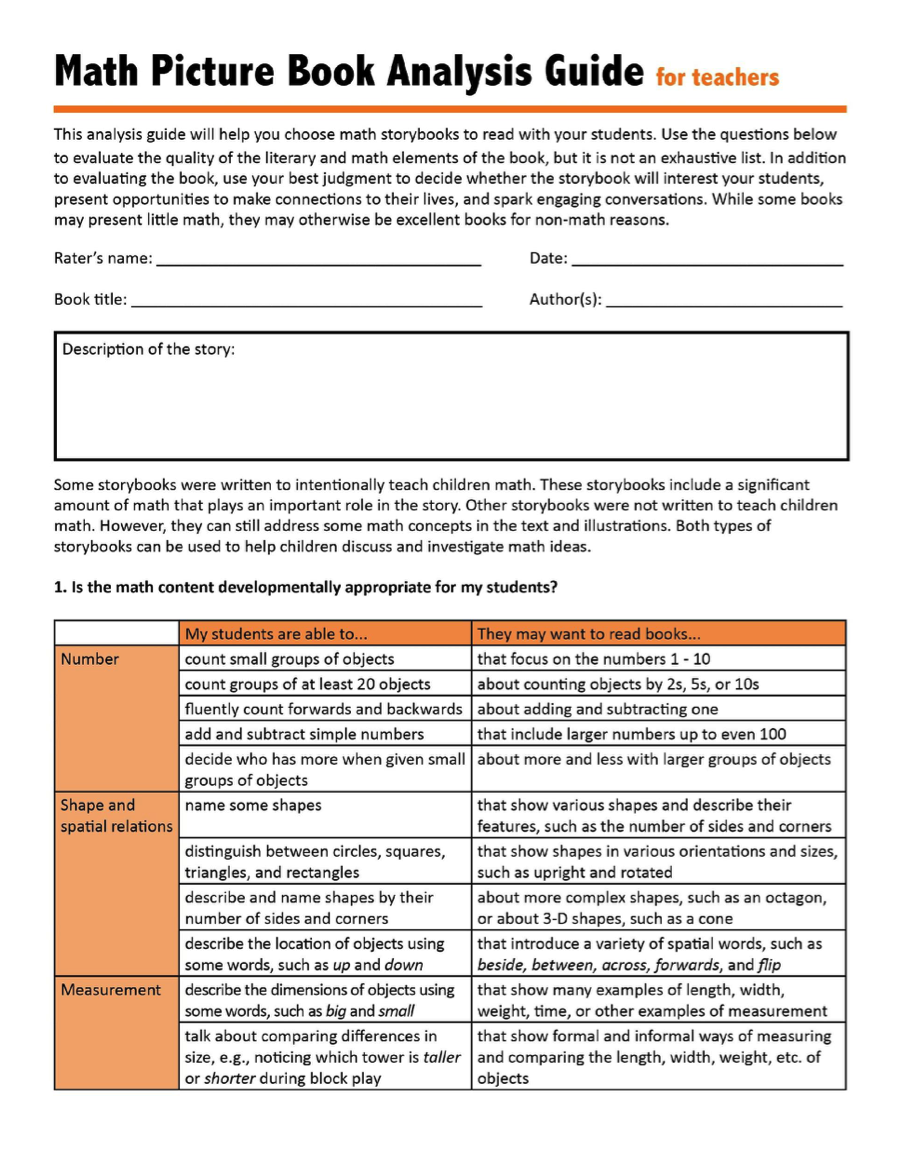
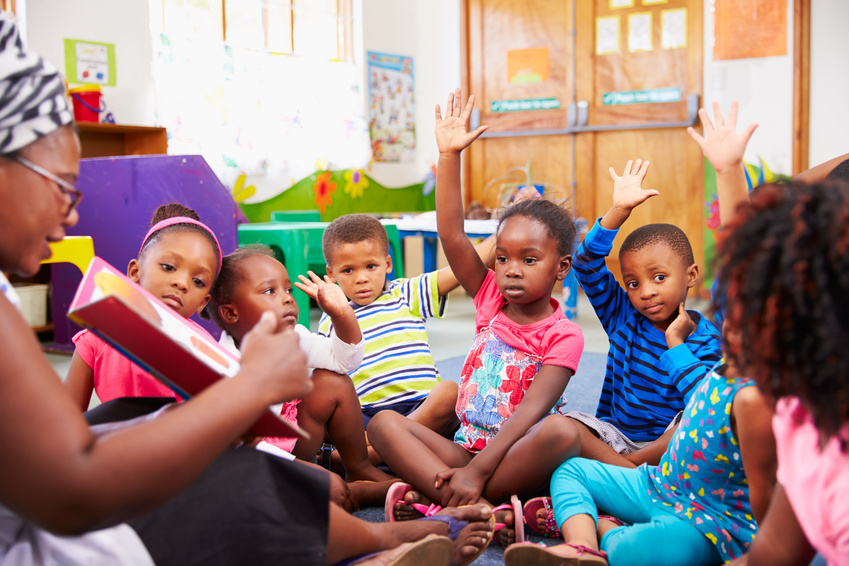
This piece discusses general principles of reading and analyzing storybooks, and offers brief descriptions of picture books. It describes how to use the Math Picture Book Analysis Guide with pre-service
This resource provides a range of ideas that may be useful for teacher educators as they design their professional development and early childhood courses. The goal of using these ideas
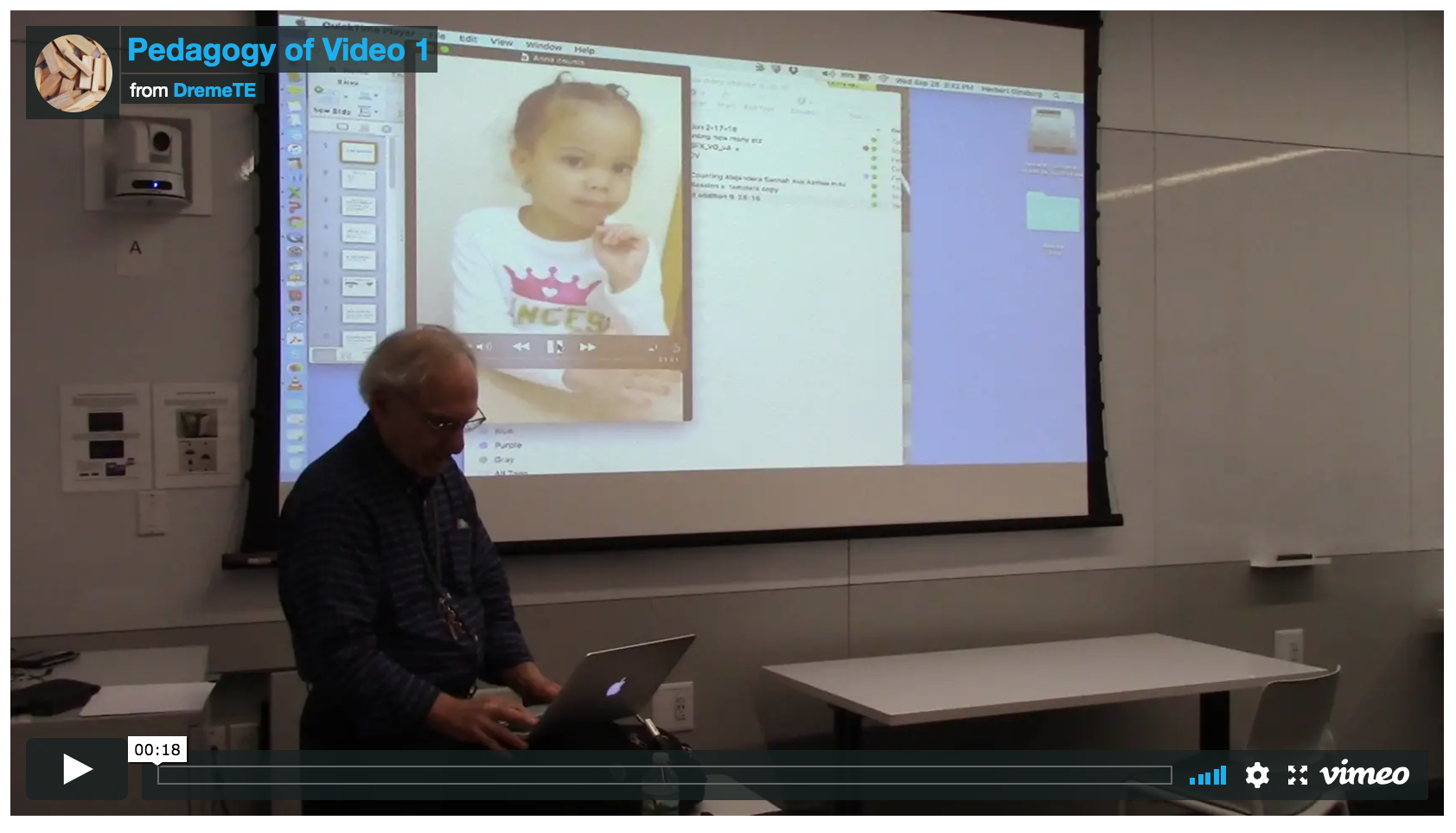
Video used in teacher learning settings is a powerful tool for engaging participants in understanding children’s mathematical thinking. Yet by itself the video, no matter how wonderful, is not sufficient.
To teach well, you need to understand the individual child’s math knowledge. This document provides guidelines for conducting conversations that can reveal a child’s math thinking and guide your teaching.
This article asserts that flexible assessment plays a central role in successful education. Flexible assessment includes careful attention to each child’s productions, close observation of their behavior, and flexible interviewing of individual children.