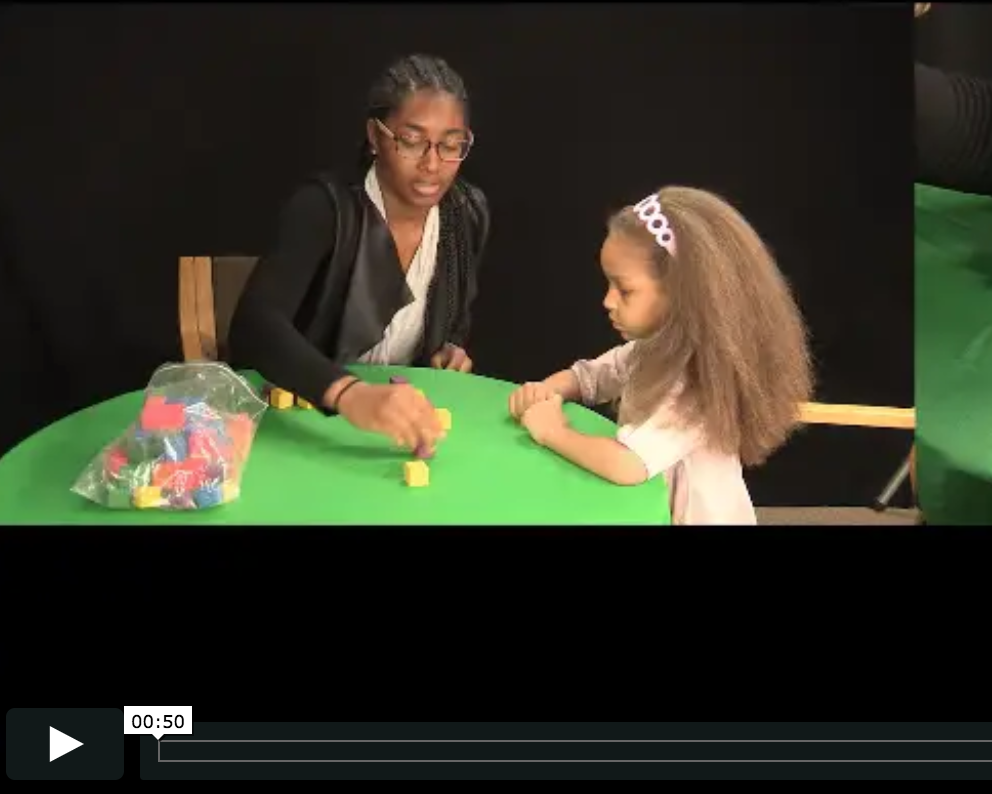
These tasks are designed to help you assess an individual child’s understanding of patterns. The protocol begins with relatively simple concepts such as recognizing and completing repeating patterns and moved
There are all types of patterns. This handout describes a variety of these patterns and how to assess children’s increasingly sophisticated knowledge of this important mathematical domain.
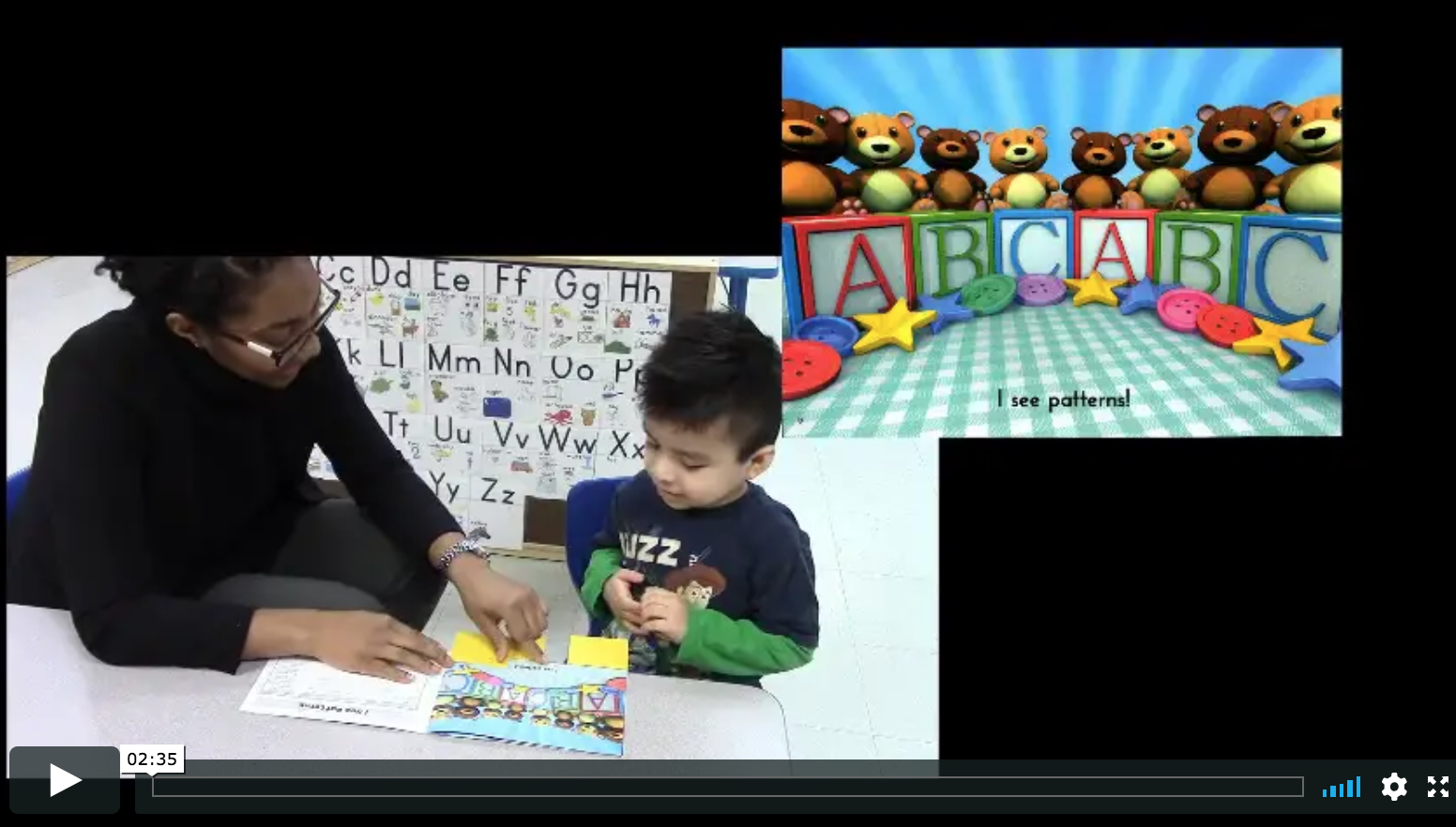
This story is written not for children, but for prospective and practicing teachers. It takes the child’s point of view about patterns and presents the adventure in an amusing manner that will
What do we mean by pattern? Can young children engage in algebraic thinking to understand patterns? How should we help young children to think about and understand patterns?
A brief overview of the development of patterns and algebraic thinking in young children. Children are born with the ability to detect patterns and our support in the classroom builds
The environment constantly exposes young children to regularities of various types: in music, shirts, dance, shape, and spatial relations. Given these experiences, children ages three through six years old develop