This story is another approach to explaining the mathematics of measurement. It is written not for children, but for prospective and practicing teachers. It presents the adventure in an amusing manner
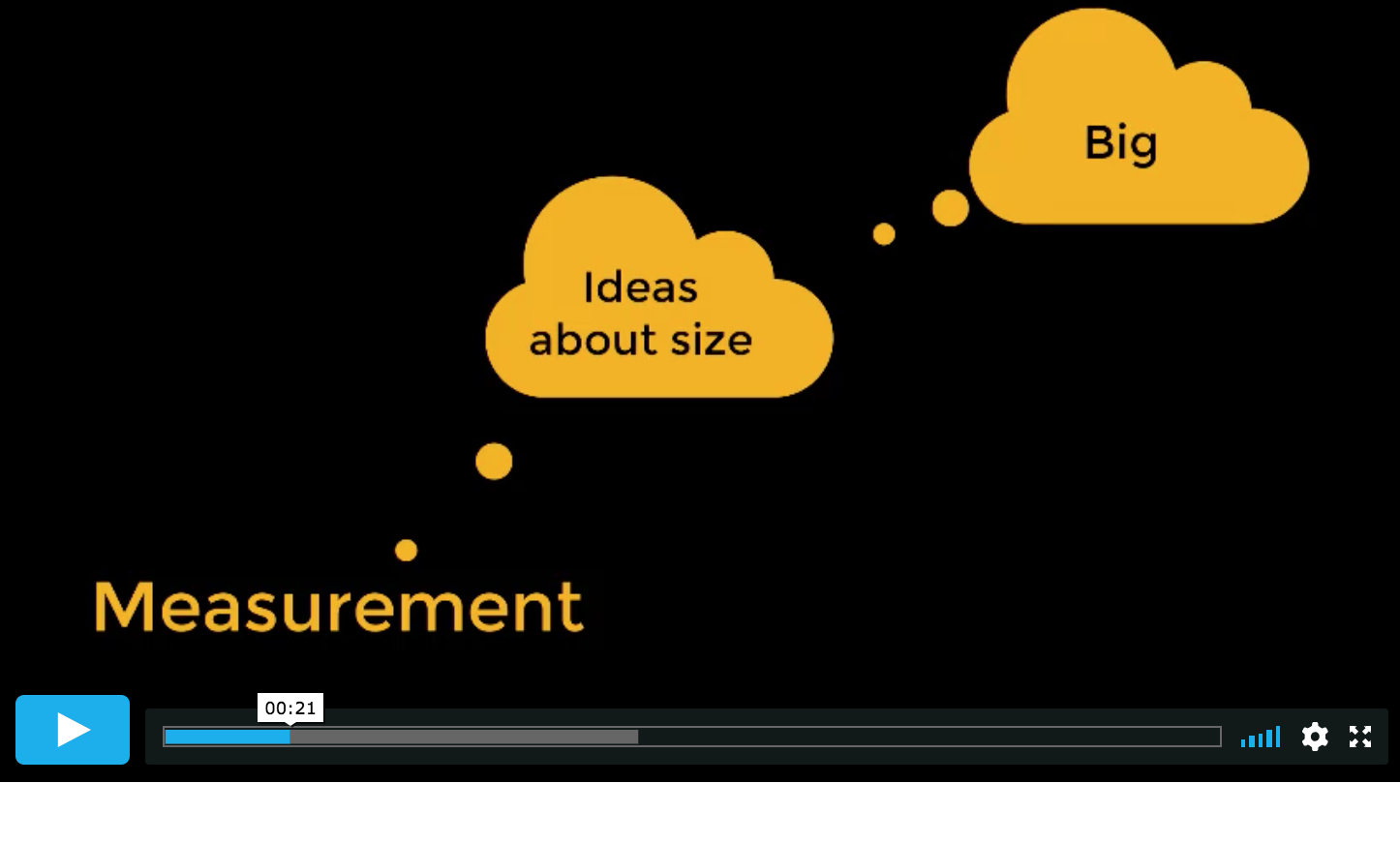
Children need to understand some basic mathematical ideas in order to measure accurately. First, they need to know what Goldilocks knows (as revealed by my extensive clinical interview with her),
Although they perceive length at an early age, children have difficulty measuring it. To do so, they need to learn several basic mathematical concepts, like the idea of a constant,
This page features more video resources related to the development of measurement and data and how teachers can engage young children in measurement and data.
Children compare and measure all the time in the classroom. How can we assess their knowledge in this important area of mathematics? This handout provides suggestions for improving our awareness
How do we assess what children know about collecting data and using it to answer questions and solve problems? This handout describes a variety of ways to explore children’s knowledge
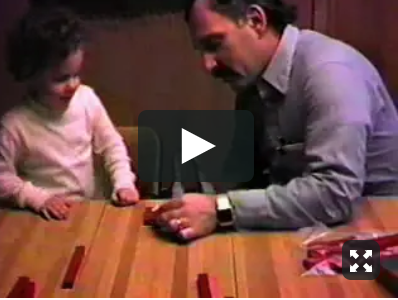
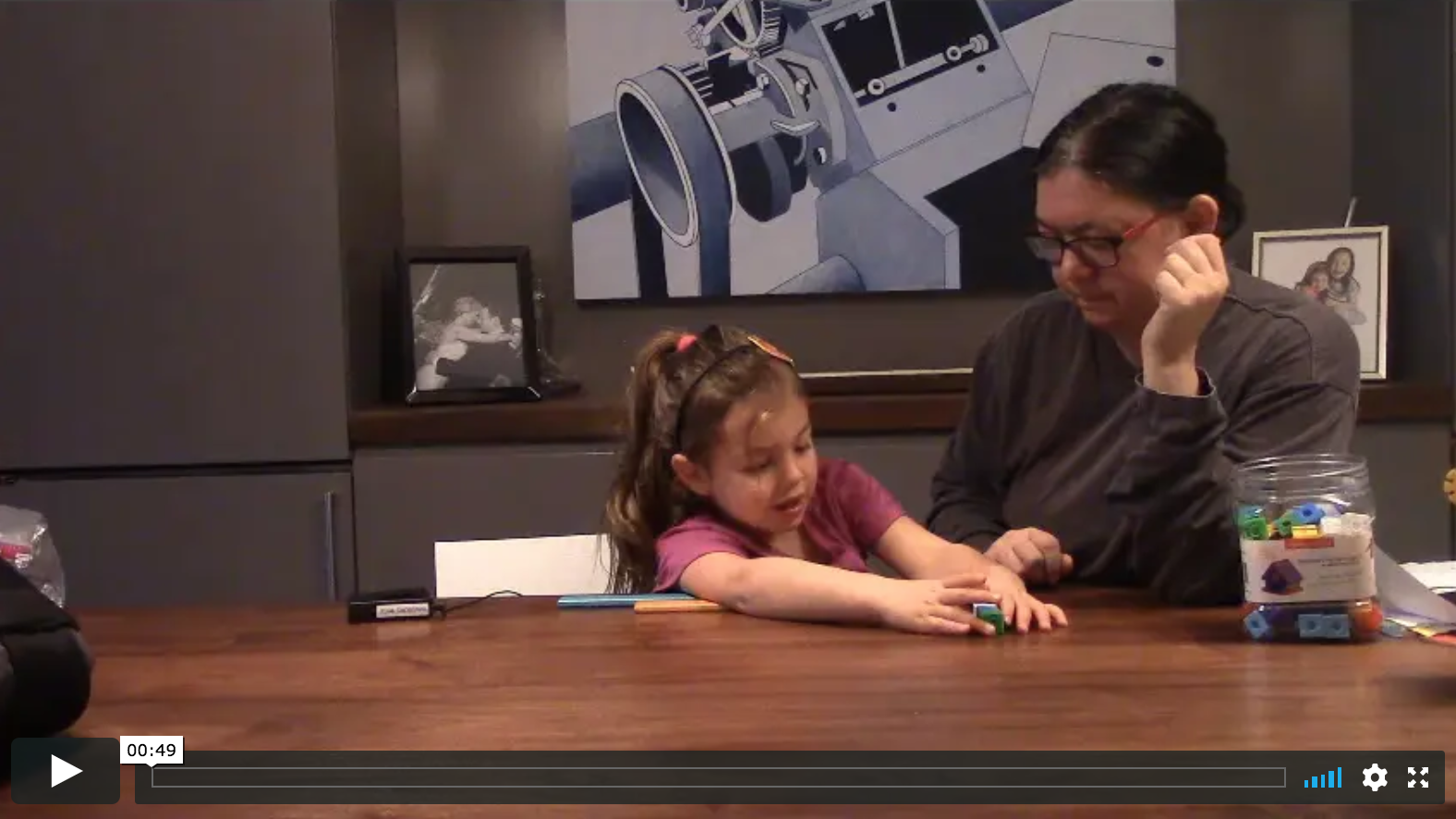
These tasks are designed to help you use the clinical interview to assess an individual child’s understanding of measurement. The protocol begins with relatively simple measurement tasks that rely on
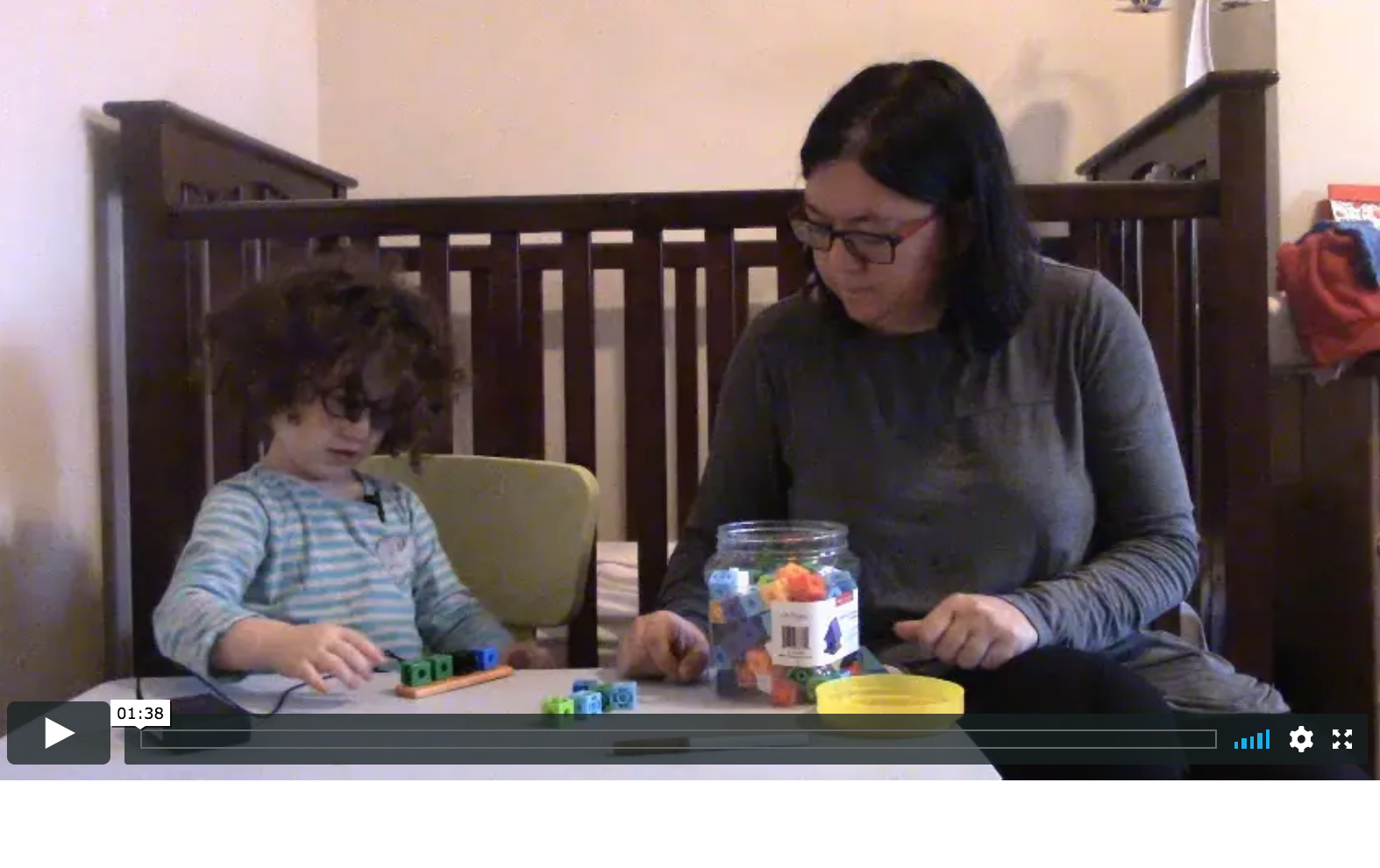
This page consists of video clips that are designed to illustrate assessing students using the measurement assessment protocol. Please visit the Measurement Assessment Protocol for more details.
These tasks are designed to help you assess a child’s understanding of data. The protocol begins with sorting and reading simple graphs and moves on to creating graphs.
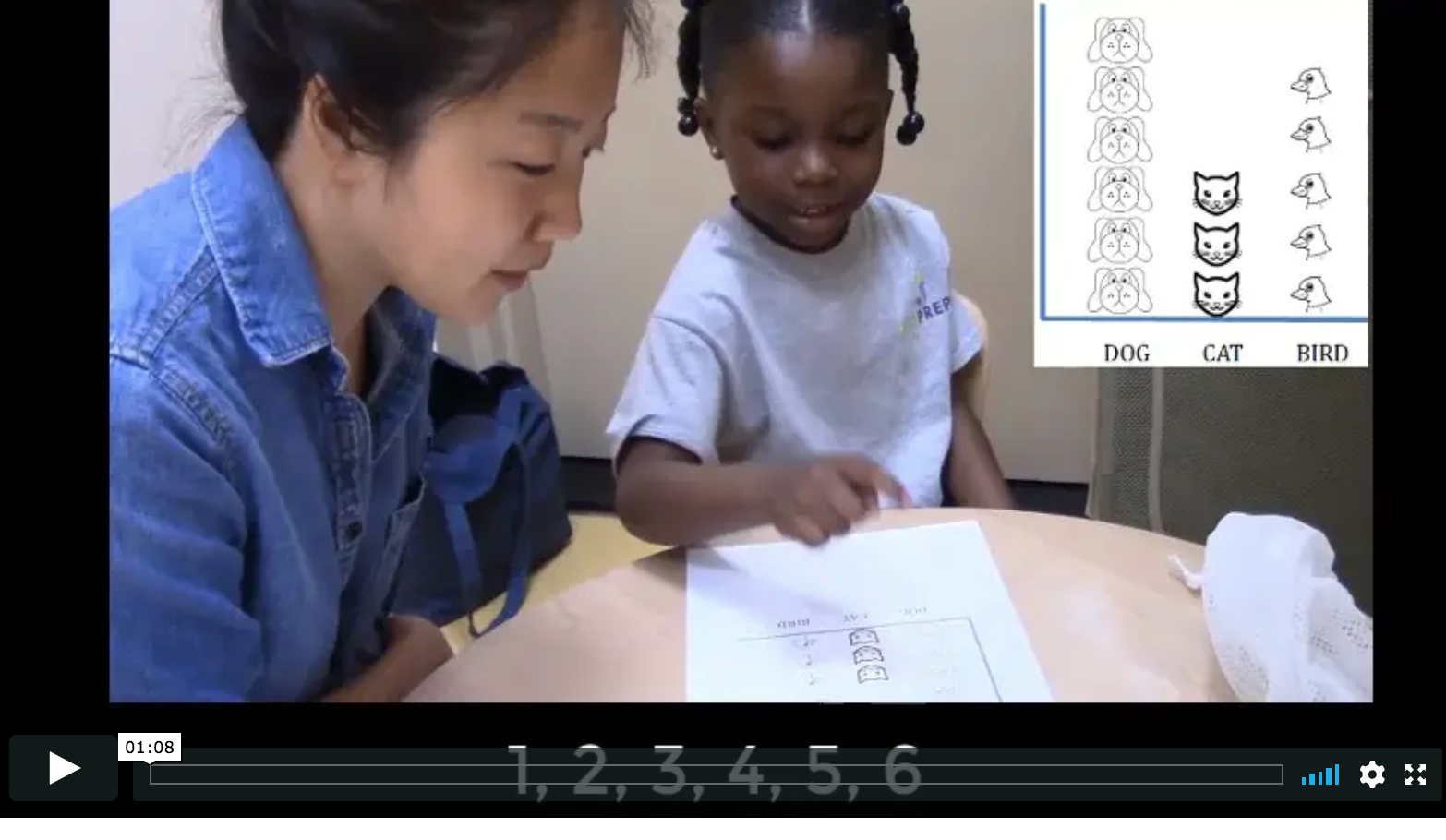
This page consists of video clips that are designed to illustrate assessing students using the data assessment protocol. Please visit the Data Assessment Protocol for more details.